
What is CBD ? Your Comprehensive Guide to Cannabidiol

What is CBD ? Your Comprehensive Guide to Cannabidiol
CBD is everywhere today: in oils, gummies, cosmetics and even in pet products. With so much marketing, many questions come up. What exactly is CBD? What does research say about it? How is it regulated? If you are looking for clear, factual answers, this guide summarizes the most important points about cannabidiol based on the available research. This guide explains what CBD is, how it interacts with the body according to research, which product types exist and what you should consider, for example drug tests, interactions and storage.

What is CBD?

Let us start with the basics. What is CBD? CBD, short for cannabidiol, is one of more than 100 chemical compounds known as cannabinoids found in the cannabis plant (Cannabis sativa). Unlike delta-9-tetrahydrocannabinol (THC), the main psychoactive component of cannabis, CBD is not considered intoxicating. This means CBD does not change perception like THC. Cannabidiol is extracted from cannabis or hemp plants, which are both part of the Cannabis sativa L. species. In the United States, hemp is defined as cannabis that contains 0.3% or less THC by dry weight; other countries use other limits. This distinction is important, because most CBD products on the market are made from hemp to comply with the rules, such as those outlined in the 2018 U.S. Agriculture Improvement Act. Research has shown that hemp cultivars can vary significantly in cannabinoid production, and both CBD and THC concentrations can increase rapidly over a short timeframe, necessitating precise harvest timing.
Natural
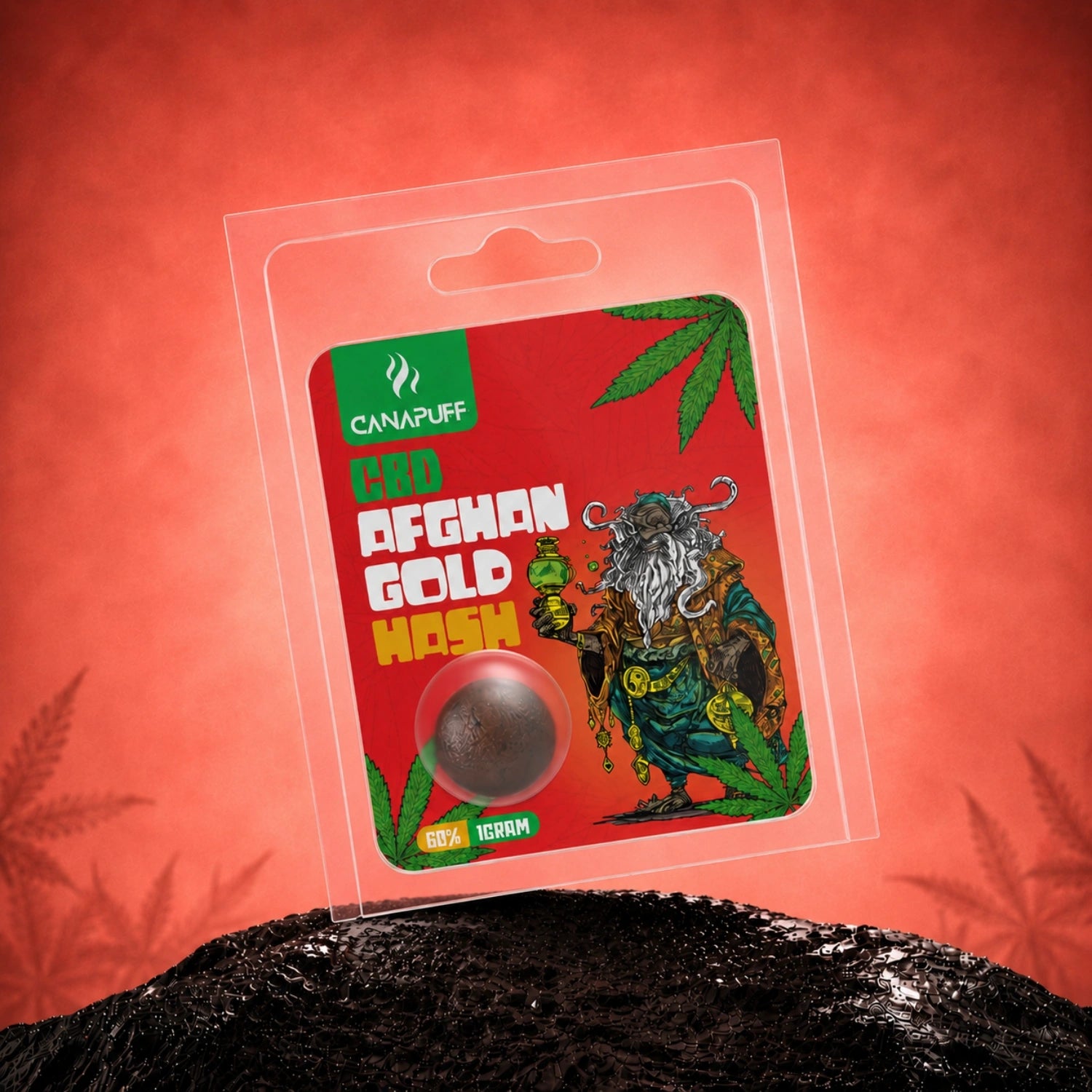
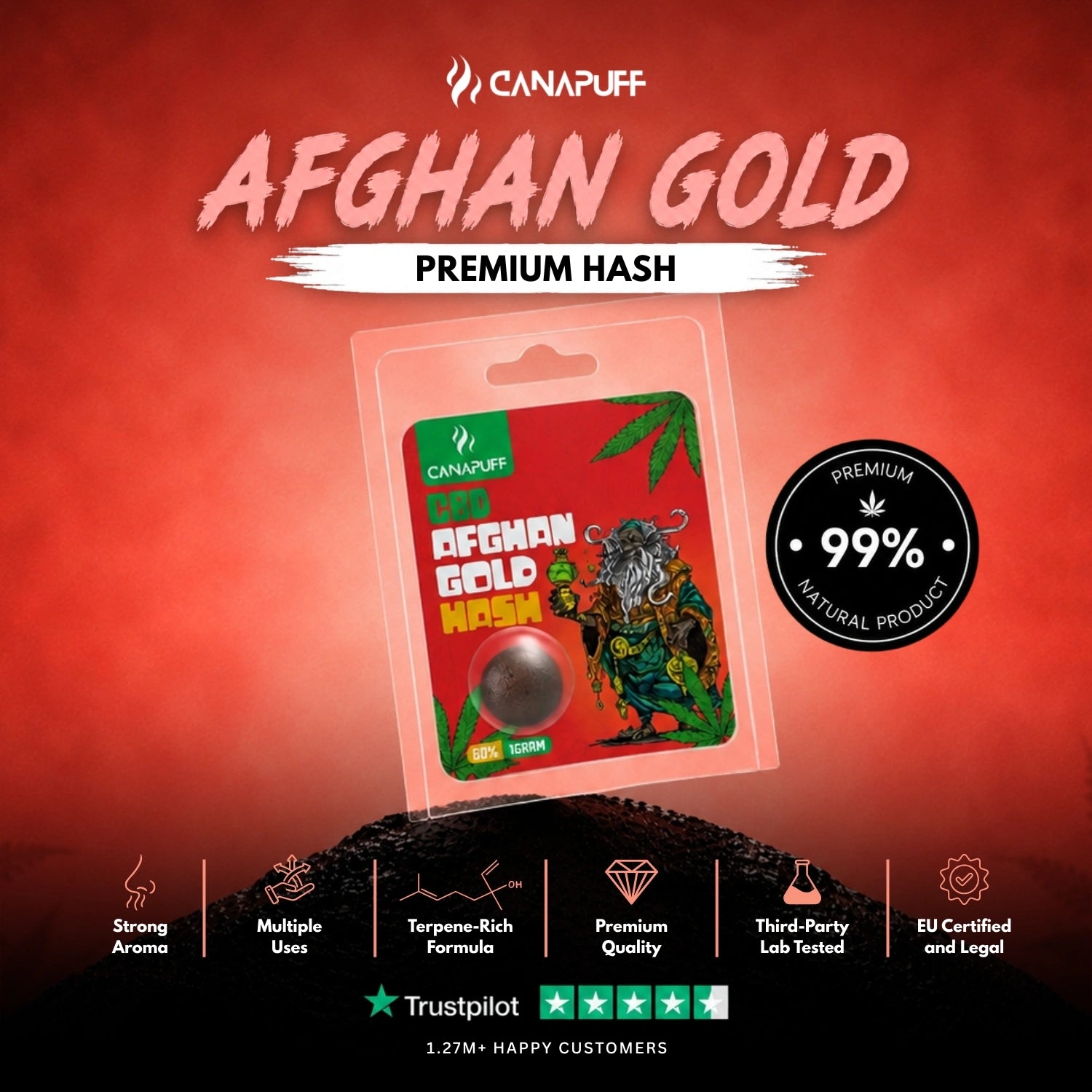
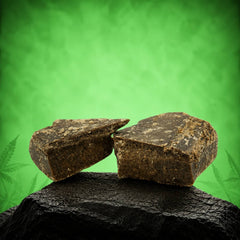
Canapuff CBD Afghan Gold hash, 1 gram, 60% CBD in blister packCBD Hash Afghan Gold 60% – hash, photo 2
CBD Hash Afghan Gold 60%

Sale price€6,99
Premium
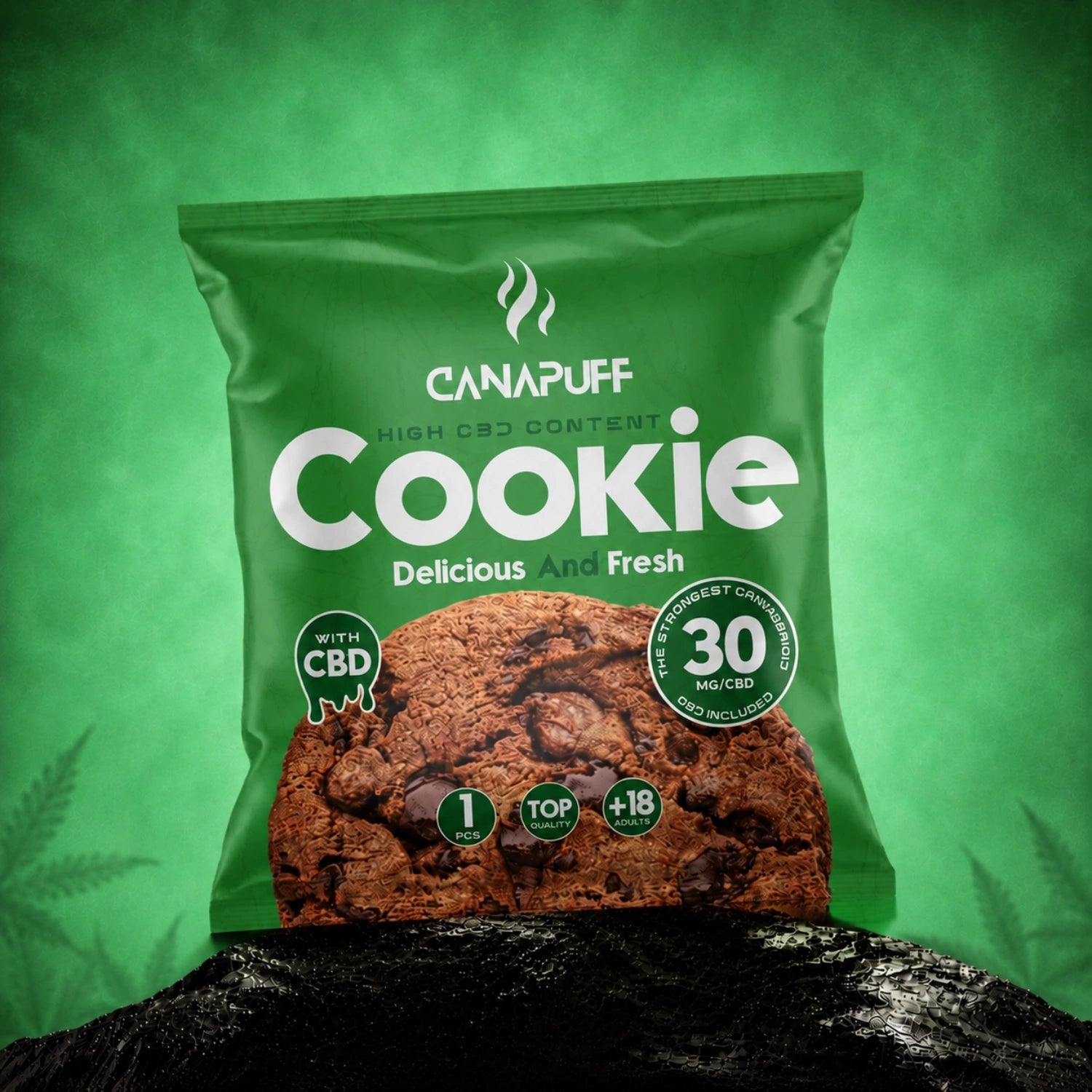
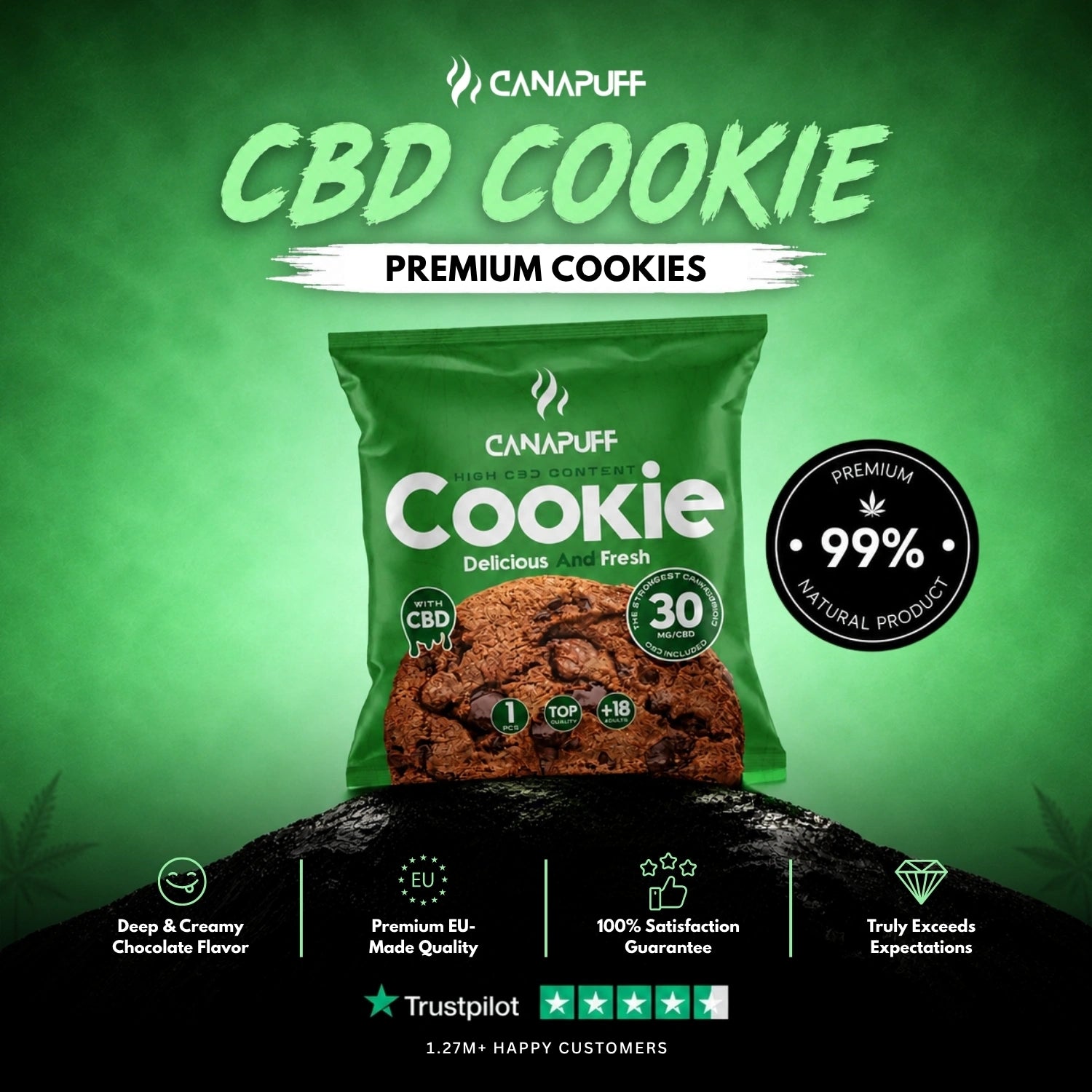
Canapuff CBD Cookie, 30 mg CBD, 1 pieceCBD Cookies – cookies, photo 2
CBD Cookies

Sale priceFrom €5,90

What does CBD stand for?

As mentioned, CBD stands for cannabidiol. It is a naturally occurring compound that has received a lot of scientific attention. Researchers have found that CBD interacts with many molecular targets, approximately 56 different receptors, enzymes and ion channels. What these laboratory findings mean for people is still being studied.

What does CBD do?

What does CBD do in the body? According to research, CBD interacts with the body's endocannabinoid system (ECS). The ECS is a complex cell-signalling system that researchers study for its role in many processes, such as memory and reproduction. While THC primarily binds to CB1 and CB2 cannabinoid receptors in the ECS, CBD has a low affinity for these receptors. Instead, it's thought to work in several ways: It can act as a negative allosteric modulator of CB1 receptors. This means it changes how other molecules, such as THC, bind to these receptors. It interacts with other, non-cannabinoid receptor systems. For example, CBD acts as a partial agonist of the 5HT-1A serotonin receptor in laboratory studies. It can enhance the body's natural levels of endocannabinoids by inhibiting the enzymes that break them down. Laboratory studies have also looked at the influence of CBD on signalling pathways such as Interferon-beta and NF-KB.

How CBD Interacts with the Body: A Quick Overview

Interaction Point Research Topic Endocannabinoid System Modulates ECS tone, influences endocannabinoid levels Serotonin Receptors Studied in laboratory and clinical research TRPV1 Receptors Studied in laboratory research PPAR Receptors Studied in laboratory research GPR55 Receptors Studied in laboratory research This table provides a simplified overview. The science is complex and continually evolving.

Does CBD get you high?

This is a very common question, and the answer is clear: No. CBD is not considered intoxicating. The intoxication associated with cannabis is caused by THC. CBD products made from hemp contain only small amounts of THC, within the limit that applies in each country.

What is CBD oil?

What is CBD oil? CBD oil is perhaps the most common form of CBD product. It's made by extracting CBD from the cannabis or hemp plant and then diluting it with a carrier oil like coconut oil (often MCT oil) or hemp seed oil. The concentration of CBD in oils can vary widely, so it's important to check product labels. There are different types of CBD oil: Full-spectrum CBD oil: Contains many of the plant compounds naturally found in hemp, including CBD, small amounts of other cannabinoids (including THC within the legal limit), terpenes and essential oils. Some people believe in an "entourage effect", where the components interact. Studies on extraction methods often aim to keep these additional compounds, and some discuss the role of the "entourage effect". The theory is debated. Broad-spectrum CBD oil: Contains CBD and other cannabinoids and terpenes, but the THC is removed. Advanced purification techniques such as Centrifugal Partition Chromatography (CPC) can produce broad-spectrum extracts with a high CBD content and minimal THC. CBD isolate: This is the purest form of CBD, with all other plant compounds removed. It typically comes in a powder or crystal form and is then mixed with a carrier oil. The choice of extraction method significantly influences the final product characteristics, with various techniques aiming to maximize CBD recovery and purity.

What does research say about CBD?

Research on CBD is ongoing, but it is important to be clear: research is limited, and no health claims can be made for CBD products sold in shops. The following sections summarize the main research areas.

CBD as an Approved Pharmaceutical (Epidiolex)

In the United States, the Food and Drug Administration (FDA) has approved one specific CBD pharmaceutical, called Epidiolex, for narrowly defined uses in certain rare forms of epilepsy. This approval is based on clinical trials with this specific product. It applies only to Epidiolex and not to CBD oils, gummies or other CBD products sold in shops.

CBD in Psychological Research

Researchers have studied CBD in psychological research, and some studies report results from randomized controlled trials. However, the evidence is limited, because the studies use different methods and doses. Some systematic reviews have found contradictory results across studies. Researchers are also looking at CBD in other areas, such as psychosis, PTSD and substance use. Research is limited; no health claims can be made. Many people share personal stories about CBD online. These stories are not scientific evidence and cannot show what CBD does.

CBD in Laboratory Research on Receptors

Preclinical studies have looked at how CBD interacts with TRPV-1, 5HT-1A and CB1 receptors. Current randomized controlled trials do not show that purified oral CBD works as a standalone option in this area. More targeted research is needed.

Other Research Areas

Research is also looking at CBD in other areas: Studies on rest and night-time routines, with mixed results. Studies on the nervous system, where clinical evidence is very limited. Studies on skin cells in the laboratory. Studies on joints and connective tissue, where evidence is limited. Research is limited; no health claims can be made. If you have questions about your health, consult a doctor.

What are CBD gummies?

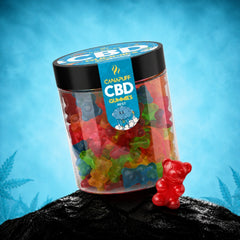
What are CBD gummies? CBD gummies are edible candies that contain cannabidiol oil. They come in a variety of flavors, colors, shapes, and concentrations of CBD. Gummies offer a discreet and easy way to ingest CBD, and their pre-set dosages make them convenient. Like CBD oil, the CBD in gummies can be full-spectrum, broad-spectrum, or isolate.

How long does CBD stay in your system?

The question of how long CBD stays in your system doesn't have a one-size-fits-all answer. It depends on several factors, including: Dosage: Higher doses may stay in your system longer. Frequency of use: If you use CBD regularly, it can accumulate in your body over time. Method of administration: Inhaled CBD acts quickly but also leaves the system relatively fast. Edibles and oils take longer to kick in and may stay longer. Your body's metabolism: Everyone's metabolism is different. Body fat percentage: CBD is fat-soluble, meaning it can be stored in fat cells. Individuals with more body fat may retain CBD for longer. Food intake: Taking CBD with food, especially fatty foods, can increase its bioavailability and potentially how long it's detectable. Generally, CBD can be detectable in urine for a few days up to a couple of weeks after last use, especially for frequent users. For infrequent users, it's typically detectable for a shorter period. Blood tests usually detect CBD for a shorter time, often only a few hours.

Does CBD show up on a drug test?

This is a very important concern for many people: Does CBD show up on a drug test? And, more specifically, does CBD show up on a 10-panel drug screen? Standard drug tests, including many 10-panel screens, typically test for THC, not CBD. However, there's a crucial nuance here: Full-spectrum CBD products contain small amounts of THC (within the limit that applies in each country). With frequent use of larger amounts, THC can build up in the body and lead to a positive drug test for THC. Mislabeling or poor quality control: Some CBD products may contain higher levels of THC than advertised due to inaccurate labeling or cross-contamination during manufacturing. This is a significant issue in the largely unregulated CBD market. Sensitivity of the test: Some highly sensitive drug tests might detect very low levels of THC. So, while CBD itself is not usually the target of drug tests, the THC content in some CBD products could lead to a positive result. If you are subject to drug testing, it's wisest to: Choose CBD isolates or broad-spectrum products where the lab report shows no detectable THC. Choose products from reputable brands that provide third-party lab test results (Certificates of Analysis or CoAs) verifying their THC content. Inform your employer or testing facility if you are using CBD products, though this doesn't guarantee exemption. It's a complex issue, and the risk, while generally low with high-quality, THC-free products, is not zero.

Is CBD addictive?

Current research suggests that CBD is not addictive. According to a report from the WHO Expert Committee on Drug Dependence, "In humans, CBD exhibits no effects indicative of any abuse or dependence potential." Unlike THC, CBD is not considered intoxicating. Some research is looking at CBD in the context of substance use.

Is CBD a drug?

This question has a nuanced answer. Is CBD a drug? From a pharmacological point of view, any substance that changes processes in the body can be called a drug. In that sense, CBD is a drug. From a regulatory point of view, the situation is more complex: The FDA has approved one CBD-based pharmaceutical, Epidiolex, for specific uses. Epidiolex is only available under strict conditions. Other CBD products sold in shops (oils, gummies, cosmetics) are not approved as pharmaceuticals. In many countries, these products are less strictly regulated than pharmaceuticals. This is why product quality and labelling can vary a lot. So, while a specific formulation of CBD (Epidiolex) is an FDA-approved drug, the broader category of CBD products available to consumers exists in a less defined regulatory space.

Does CBD make you last longer?

This is a question that sometimes comes up: Does CBD make you last longer in a sexual context? There is very little scientific research on this question, and there is no evidence that CBD helps you "last longer" during sex. The main research on CBD concerns its interactions with cannabinoid receptors, ion channels and enzymes. Claims about CBD and sexual endurance are speculation. Be careful with such claims, because they are not supported by reliable evidence. If you have questions about sexual health, consult a doctor.

Does CBD oil go bad?

Yes, CBD oil does go bad over time. Like any natural product, CBD oil has a shelf life. Several factors can influence how long it lasts: Quality of the ingredients: Higher quality oils and ingredients tend to last longer. Extraction method: Some methods may yield a more stable product. Carrier oil: Different carrier oils have different shelf lives. Packaging: Dark, airtight containers help protect the oil from light and air, which can degrade it. Storage conditions: CBD oil should be stored in a cool, dark place. Exposure to heat, light, and air can speed up degradation. Most CBD oils have a shelf life of 12 to 24 months if stored properly. Signs that CBD oil has gone bad include: Changes in color (becoming darker or cloudy) Changes in consistency (becoming thicker or sludgy) Changes in smell (rancid or unpleasant odor) Changes in taste (bitter or off-flavor) Using expired CBD oil is unlikely to be harmful, but its cannabinoid content may be lower.

What drugs should not be taken with CBD?

This is an important question: What drugs should not be taken with CBD? CBD can interact with other substances, similar to grapefruit juice. This is mainly because CBD can inhibit cytochrome P450 (CYP450) enzymes in the liver. These enzymes break down many common pharmaceuticals. If CBD inhibits these enzymes, the levels of other pharmaceuticals in the blood can become higher or lower. This can increase side effects or reduce the action of the other pharmaceutical. Pharmaceuticals that may interact with CBD include: Blood thinners (e.g., warfarin) Pharmaceuticals for heart rhythm Thyroid hormones Antiepileptic drugs (liver concerns can be influenced by other drugs taken at the same time) Some antidepressants and sedatives Certain chemotherapy drugs It is essential to talk to your doctor before taking CBD if you take any other pharmaceuticals. Systematic reviews have identified raised liver enzymes as a notable concern in CBD studies, which is one more reason why professional advice is important when CBD is combined with other drugs.

Conclusion: The Evolving Story of CBD

CBD has become a compound of great interest. One specific CBD pharmaceutical is approved for narrowly defined uses in rare forms of childhood epilepsy, but this approval does not apply to CBD products sold in shops. CBD is not considered intoxicating, and research on it continues. We've covered a lot: What CBD is: A cannabinoid that is not considered intoxicating. What it does: Interacts with the body's endocannabinoid system and other molecular targets. Research: One approved pharmaceutical; for CBD products sold in shops, research is limited and no health claims can be made. Important considerations: Drug testing (THC risk), potential drug interactions, and the importance of product quality. CBD research is changing fast. While there are many laboratory findings, there is still a need for large-scale, multicenter trials with standardized methods before reliable conclusions are possible. What's next for you? If you're considering trying CBD: Do your research: Continue to educate yourself from reliable sources. Talk to your doctor: This is especially important if you have underlying health conditions or take other medications. Follow the label: Do not exceed the amount stated on the product, and stop if you notice unwanted reactions. Choose high-quality products: Look for third-party tested products from reputable brands. CBD is an interesting compound, and it is important to look at it as an informed consumer. As research continues, we will learn more about CBD. Until then, clear labels, lab reports and professional advice are the most reliable guides.
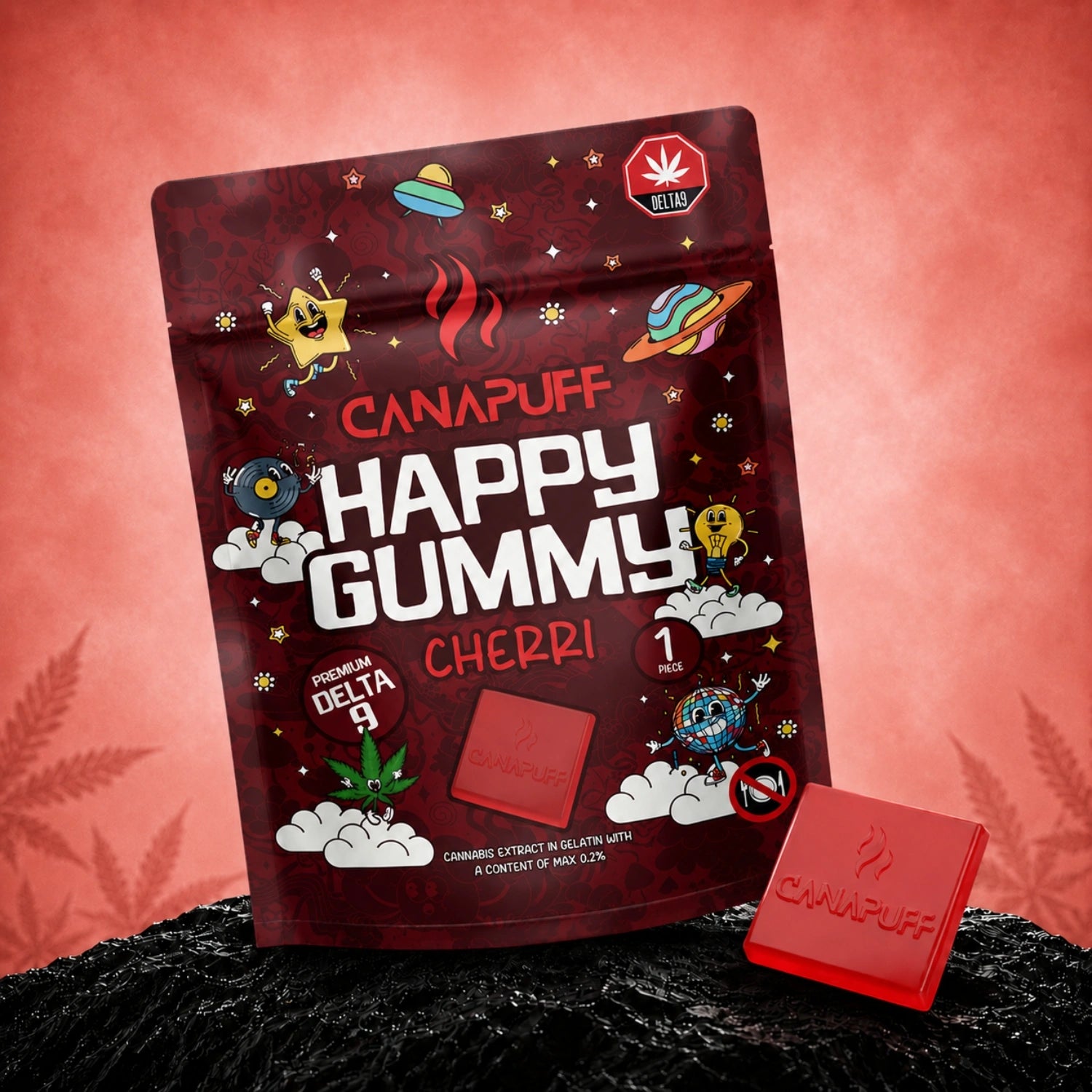
Canapuff Happy Gummy Delta-9 Cherri, 1 piece hemp-derived gummy

Delta 9 Gummy Cherri

Ideal for beginners

Try it now