






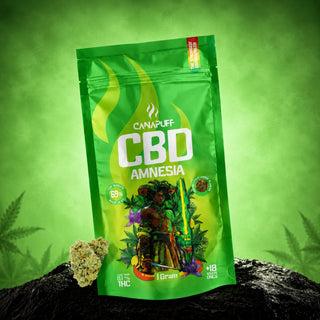


CBD (cannabidiol) is one of the best known compounds of the cannabis plant. It has received a lot of attention in recent years, and CBD products are now sold in many countries. Unlike THC, its well-known relative, CBD is not considered intoxicating. Research on CBD continues, but research is limited and no health claims can be made for CBD products.
If you look at CBD oil or other CBD products, one common question is: What does the CBD dosage on the label mean? This guide explains how CBD content is shown on products, how you can calculate the amount of CBD per drop or per millilitre, which factors matter and what to consider for pet products. It does not give dosage recommendations for specific purposes.
Unlike THC (tetrahydrocannabinol), CBD is not considered intoxicating. It does not change perception like THC. Researchers have found that CBD interacts with the ECS and other receptor systems in an indirect way.
Research on CBD is still at an early stage. One specific CBD preparation is approved as a pharmaceutical in some countries for narrowly defined uses, but this approval does not apply to CBD oils or other products sold in shops. Research is limited; no health claims can be made for CBD products.
There is no official dosage guideline for CBD products. CBD dosage on product labels is usually given in milligrams per drop, per millilitre or per piece. The amount of CBD depends on the product: CBD oils and tinctures often have a higher concentration than CBD gummies or capsules. The most important rule is to read the label and follow the instructions of the manufacturer.
Because there are no official guidelines, you should not rely on general recommendations from the internet. If you take medication or have questions about your health, consult a doctor before using CBD products.
Each CBD product shows how much CBD it contains. Many products also show a suggested daily amount, for example a number of drops per day. Do not exceed the amount stated on the label. The rules for CBD products differ between countries, so check the current rules in your country.
The time it takes for CBD to be absorbed depends on the product format. When CBD is taken under the tongue, it is absorbed differently than when it is swallowed in a capsule or gummy. The time it stays in the body also depends on the person and the product.
Always read the label and the lab report of a product. If you are unsure, consult a doctor or pharmacist before use.
While labels help, the right CBD dosage cannot be defined in a general way, because people and products differ. Below are some factors that explain why the amount of CBD in the body can differ between people:
Body weight can influence how a substance is distributed in the body. For this reason, the same amount of CBD can lead to different levels in the blood in different people. There is no reliable formula that calculates a CBD amount from body weight.
CBD can interact with other substances, because it affects liver enzymes that break down many pharmaceuticals. If you take medication or have questions about your health, consult a doctor before using CBD products.
Different types of CBD products vary in their concentration of CBD. CBD oils and tinctures often contain more CBD than edibles such as gummies or capsules. The product format also changes how CBD is absorbed. Oils taken under the tongue are absorbed differently than gummies or capsules, which pass through the digestive system first.
Make sure you understand the concentration of CBD in the product you’re using. For instance, if you’re using a CBD tincture with 1000 mg of CBD per bottle, and the bottle contains 30 milliliters of liquid, each milliliter will contain about 33 mg of CBD. Be sure to measure your dosage carefully based on the concentration of your CBD product.
Research is limited; no health claims can be made about what CBD does in the body. People report very different experiences with CBD, and personal reports are not scientific evidence. If you notice unwanted reactions, stop using the product.
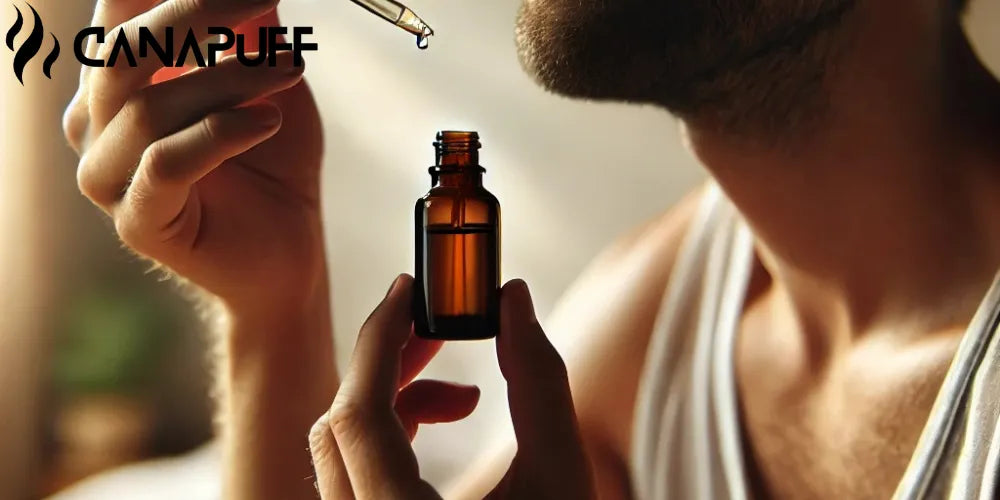
The way CBD is absorbed depends on the method of use. For example, CBD oil taken under the tongue (sublingually) is absorbed through the mucous membranes, while CBD edibles are absorbed through the digestive system.
What Is CBD and How Does It Work?
 CBD is one of more than 100 naturally occurring compounds in the cannabis plant. These compounds, called cannabinoids, interact with the endocannabinoid system (ECS), a network of receptors in the body that researchers study for its role in many physiological processes. How CBD interacts with this system in detail is still being researched.
How to Determine the Right CBD Dosage for You
Follow the Label
CBD Product Formats and Their Labels
Factors That Influence Your CBD Dosage
1. Your Body Weight
2. Interactions with Other Substances
3. Type of CBD Product
What to Expect When Taking CBD
Possible Side Effects of CBD Include:
CBD Dosage for Dogs: What You Need to Know
CBD Dosage Explained: How to Read CBD Oil Labels, Concentrations and Pet Products
In short
- There is no official CBD dosage, so read the product label, follow the manufacturer's instructions and do not exceed the stated amount.
- Calculate CBD per millilitre by dividing total CBD by bottle volume, for example 1000 mg in 30 ml gives about 33 mg.
- For dogs, use only pet products without THC and decide the amount together with a veterinarian.
 CBD products for pets are also sold. However, when it comes to